Through my studio window I can see the watercolor hall. It's fitting — the most light-sensitive works in the building hang closest to the people who protect them. Conservation is often imagined as white gloves and mystery; the reality is closer to detective work with very good lighting.
Acrylics age faster than you'd think
Many of our boldest abstract canvases are barely thirty years old, and acrylic paint is still teaching us how it grows old. It stays slightly soft, collects dust electrostatically and can be surprisingly sensitive to water — the very thing it was thinned with.
What a treatment looks like
Every treatment starts with documentation: high-resolution photography, raking light to map raised paint, ultraviolet to reveal old varnishes and retouching. Then comes the slow part — surface cleaning with a dry swab under magnification, sometimes a square centimeter at a time, over days.
We don't restore paintings to new. We stabilize them so the artist's last decision stays visible.
Why the lights are low
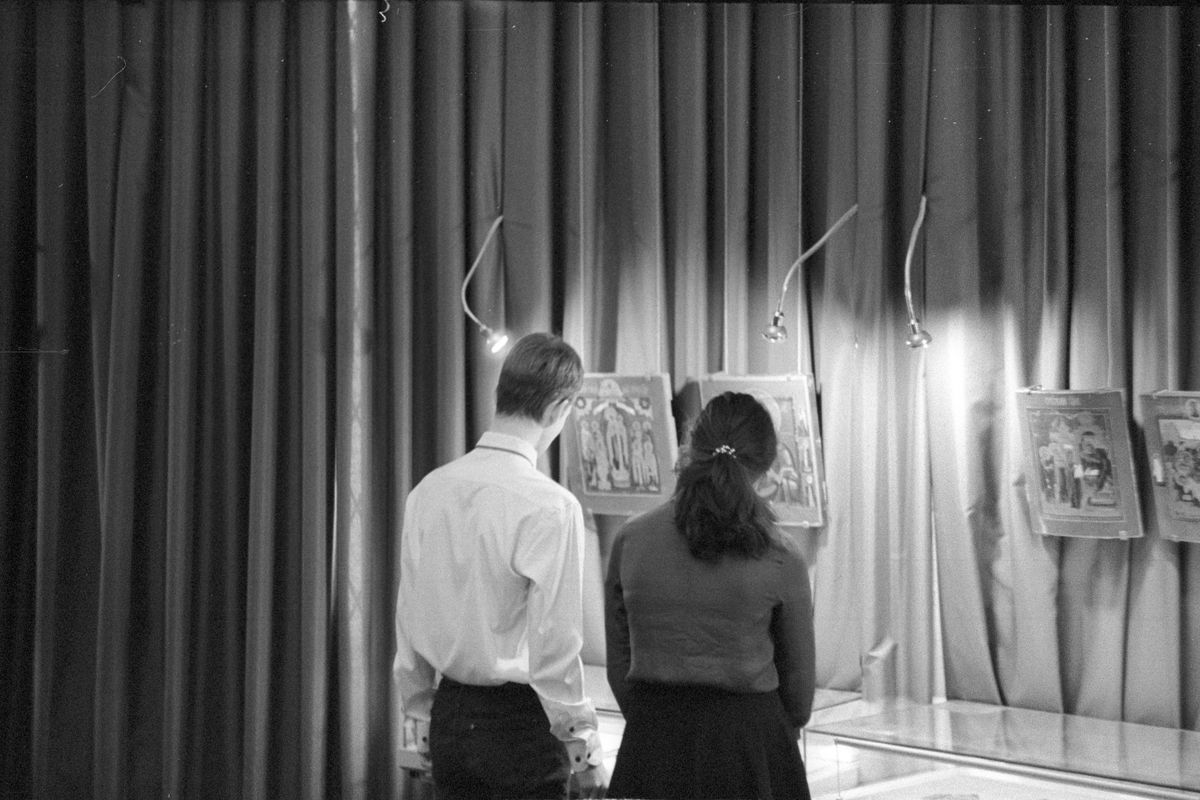
If you've wondered why Hall Five feels dim, that's us. Works on paper fade irreversibly, so we budget their lifetime light exposure like a pension — fifty lux, limited hours, rotation every few months. The moodiness is a side effect of care.
See the work up close
Twice a season we run open-studio mornings where you can watch a treatment in progress and ask everything. Members hear first — another good reason to join before the autumn rotation.